
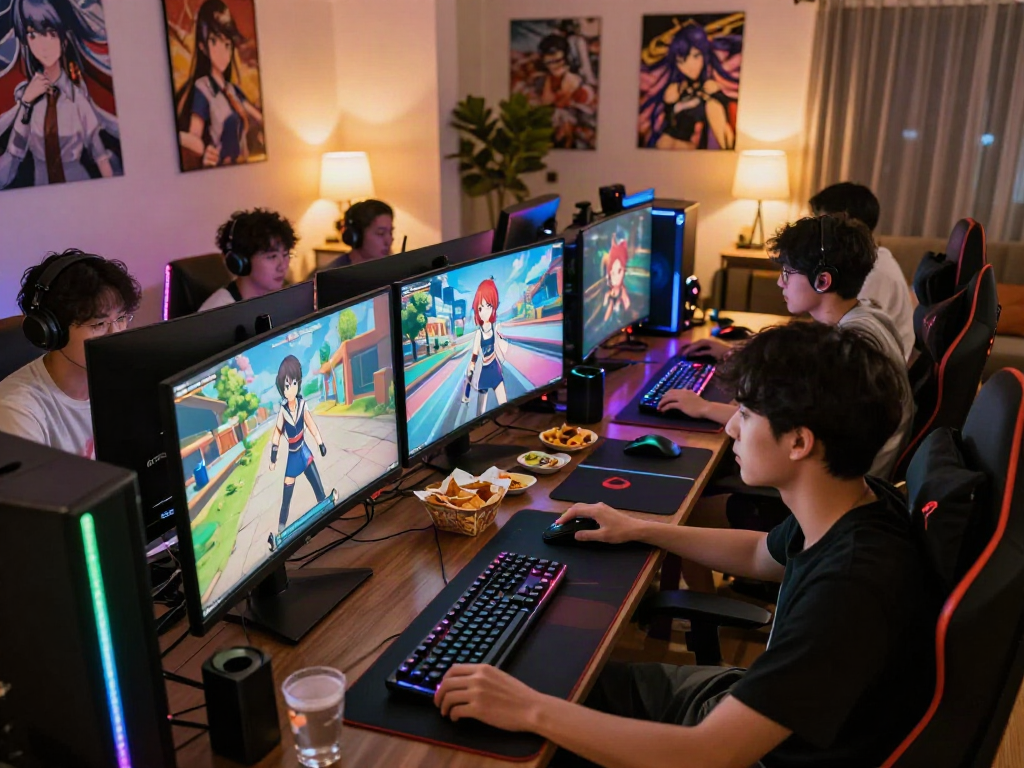
The Evolution of Hentai Games: A Historical Perspective
Hentai games have undergone a monumental transformation since their inception, evolving from niche appeal to becoming a significant subset of the gaming industry. This genre, which combines erotic content with interactive gameplay, has adapted to technological advancements and changing social dynamics. Understanding its history provides valuable insights into where it stands today and where it might be headed in the future. When exploring options, hentai games offer a rich tapestry of storytelling and artistic expression that reflects cultural shifts and player preferences.
Origins of Hentai Games
The roots of hentai games can be traced back to Japan in the early 1980s, coinciding with the rise of home computing. Early releases were primarily visual novels and text-based adventures that allowed players to engage with adult themes. Titles like "Kimochi Kawaii" showcased the potential for combining narrative with explicit visual content, laying the groundwork for what would become a flourishing genre. The aesthetic style of these early games was heavily influenced by anime and manga, which have been staples of Japanese pop culture.
Key Milestones in Development
Throughout the late 1990s and early 2000s, hentai games began to appear on CD-ROMs, significantly improving graphics and sound quality. This period marked the introduction of more elaborate mechanics, including branching storylines and character interactions that offered players a more immersive experience. Landmark titles such as "HuniePop" and "Nekopara" not only advanced the gaming mechanics but also increased the visibility of hentai games in mainstream gaming markets. Online distribution platforms like Steam began to host these games, further broadening their audience.
Rise of Online Platforms and Communities
The advent of the internet played a crucial role in the dissemination of hentai games. Forums and social media platforms emerged where enthusiasts could share recommendations, fan art, and mods. Sites like Newgrounds and Patreon enabled indie developers to distribute their work outside traditional publishing constraints. As a result, a vibrant community formed around hentai games, allowing for active discussion and collaboration, which ultimately fostered originality and innovation within the genre.
Current Trends in Hentai Games for 2026
Fast forward to 2026, and the landscape of hentai games is more dynamic than ever. With rapidly evolving technology, new trends are shaping gameplay and player engagement. Developers are experimenting with various multimedia elements to create unique experiences that captivate diverse audiences, merging art, storytelling, and interactivity in thrilling new ways.
Emergence of Virtual Reality Experiences
Virtual reality (VR) has emerged as a game-changer for hentai games, allowing players to immerse themselves in highly detailed worlds. Titles that leverage VR technology provide an unprecedented level of engagement, allowing players to explore environments and interact with characters in a groundbreaking way. As VR hardware becomes more accessible, we can expect a surge in titles designed specifically for virtual experiences, enhancing the erotic aspects of gameplay.
Incorporation of AI and Interactive Storytelling
Artificial intelligence (AI) is revolutionizing how stories are told in hentai games. Developers are now incorporating AI-driven narratives that adapt based on player choices, creating a personalized experience that encourages replayability. Characters can respond dynamically to the player's actions, making the storytelling more nuanced and engaging. This shift is paving the way for more complex narratives that explore themes beyond just eroticism, delving into deeper emotional connections between players and characters.
Multiplayer Dynamics and Social Elements
The social aspect of gaming has become increasingly prominent in recent years. Multiplayer dynamics in hentai games allow players to interact with one another, share experiences, and collaborate on quests. Community-driven events and online multiplayer options foster a sense of camaraderie among players, further enhancing the overall experience. This trend not only enriches gameplay but also helps normalize the genre by integrating it into mainstream gaming culture.
Audience Insights: Who Plays Hentai Games?
Understanding the demographics of hentai game players is crucial for developers and marketers. The audience is diverse, spanning various age groups and backgrounds, but they often share common interests in anime, manga, and adult content. Analyzing these trends can help tailor experiences that resonate with players.
Demographics and Player Behavior
Research indicates that the majority of hentai game players are male, typically aged between 18 and 35. However, there is a growing female player base that contributes to the genre's expansion. Many players enjoy the combination of storytelling, character development, and artistic expression. Additionally, preferences vary widely, with some individuals seeking more narrative-driven experiences while others prefer straightforward erotic gameplay.
Impact of Cultural Perceptions on Popularity
In recent years, cultural perceptions of hentai games have shifted significantly. While once marginalized, these games are increasingly being viewed as legitimate forms of artistic expression. This evolution is influenced by a broader acceptance of diverse gaming narratives and the growing visibility of adult content in general. As societal norms continue to adapt, hentai games are likely to find even greater acceptance.
Influence of Online Communities and Fan Art
Online communities play a vital role in promoting and shaping the hentai game genre. Platforms like Reddit, Discord, and specialized forums foster discussions, fan art, and storytelling that enhance the gaming experience. These communities often create supportive environments for players to explore their interests without stigma, driving engagement and expanding the audience for hentai games.
Future Predictions: What Lies Ahead for Hentai Games?
The future of hentai games looks promising, with several technological advancements poised to drive change in the genre. As developers continue to experiment and innovate, the potential for growth remains vast.
Technological Advancements Driving Change
Beyond VR and AI, advancements in graphics and animation technology will enable even more realistic and immersive experiences in hentai games. As hardware becomes more powerful, we can expect higher-quality visuals, complex physics engines, and richer soundscapes, all contributing to more engaging gameplay.
Potential for Mainstream Acceptance
As societal acceptance of adult themes continues to grow, there is a genuine possibility that hentai games could achieve greater mainstream recognition. Collaborations with established gaming companies and inclusion in more conventional platforms could help elevate the genre, making it more accessible to broader audiences.
Challenges Facing the Genre in 2026
Despite these opportunities, challenges remain. Market saturation and the risk of content fatigue can impact player engagement if developers do not continue to innovate. Additionally, censorship and legal restrictions in various regions may hinder the growth of hentai games in certain markets. Navigating these challenges while fostering creativity will be crucial for the future of the genre.
Best Practices for Game Developers in the Hentai Genre
For developers venturing into the hentai game market, understanding best practices is essential for creating successful titles that resonate with players.
Balancing Creativity and Market Demand
Developers must strike a balance between artistic vision and commercial viability. Staying attuned to market trends while maintaining creative integrity will help ensure that games not only appeal to players but also stand out in a crowded marketplace.
Ensuring Inclusivity and Diverse Representation
Inclusivity is an essential aspect of modern game development. Creating characters that reflect diverse backgrounds and identities can foster acceptance and appeal to a broader audience. Representation matters, and it’s crucial for developers to consider the various identities within their narratives.
Building Engaging and Interactive Gameplay
The gameplay experience should be interactive and engaging, encouraging players to explore different pathways. Mechanics that allow for player choice and consequence can enhance immersion and replayability, leading to more satisfying experiences.
What is the significance of hentai games in today's gaming culture?
Hentai games represent a unique intersection of gaming and adult content, often challenging traditional narratives and formats. Their significance lies in their ability to push boundaries and explore themes that are sometimes overlooked in mainstream gaming, fostering broader discussions about sexuality, relationships, and identity.
How have hentai games changed over the years?
Over the decades, hentai games have evolved from basic visual novels into rich, engaging experiences that incorporate advanced technology and storytelling techniques. The transition from physical media to digital distribution has also allowed for more experimental content and collaboration among indie developers.
What can we expect in the future of hentai games?
Looking ahead, we can anticipate further innovations in gameplay mechanics, user experience, and narrative depth. As technology advances, we may see increasingly sophisticated AI-driven stories and enhanced VR interactions that challenge our perceptions of gaming and eroticism.
Are there any major controversies surrounding hentai games?
Yes, controversies often arise regarding censorship, the portrayal of sexual content, and the implications for societal attitudes toward gender and sexuality. These discussions are crucial for understanding the complexities of hentai games and their impact on culture.
What platforms are best for playing hentai games?
Currently, PC remains the dominant platform for hentai games, with platforms like Steam and Nutaku providing a variety of titles. Emerging technology, such as mobile gaming and VR platforms, is also expected to provide new venues for distribution and play, expanding accessibility.